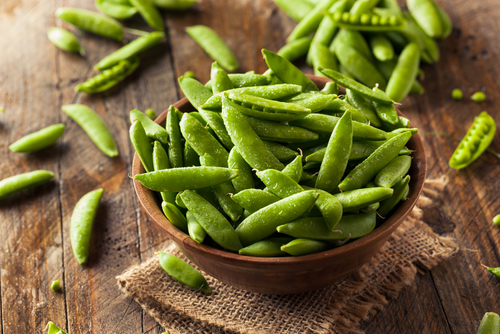
Description
VITAMINS IN ABUNDANCE
With 150 g, two thirds of the daily needs of vitamins C and K and almost 10% of vitamin A are covered.

They stand out especially in vitamin B1, which influences the good mood. 200 grams of peas cover two thirds of the recommended daily amount.

IMPORTANT MINERALS
Regarding minerals, 150 g completes a quarter of the needs for iron, a fifth for phosphorus and a sixth for magnesium.

CARBON AND PROTEIN HYDRATES
Being a legume, it contains a protein index three or four times higher than that of fresh vegetables, but these are in turn lighter and more digestive than those of lentils or dried chickpeas.

Its proportion almost reaches 6%, higher than that of green beans (2.4%), since they are eaten with the pod, and lower than that of dried legumes, which are around 20%. Lysine stands out, an amino acid that complements well with those of cereals such as rice or pasta and those of nuts.

The pea is also one of the legumes with the highest contribution of carbohydrates, specifically soluble sugars.

This is especially true for freshly picked fresh peas, because over time, soluble sugars are transformed into starch. This is one of the reasons why frozen ones are often sweeter and more palatable than fresh ones, if they are not freshly picked.

As they are rich in soluble fiber, they help reduce cholesterol and regulate blood sugar levels.

IMPROVE THE MOOD
Consuming them helps to cope with spring asthenia, because they are very revitalizing and allow you to maintain a more positive state of mind.

Its healthy effects are not only appreciated in the cellular tissues of the neuronal system, but externally in the smoothness of the hair, skin and nails.